


What to Say on a Discovery Call: The Framework for Coaches

Jun 2
7 min read
Most coaches do not lose clients on the discovery call because they said the wrong thing. They lose them because they had no idea what they were supposed to say at all.
You get on the call. The prospect seems interested. You share your background, walk through your experience, maybe mention a result or two. Then you introduce your offer. Then comes the silence. They say they need to think about it. You say that sounds great. The call ends, and both of you know nothing is going to happen.
That is not a sales failure. That is a structure failure.

The Discovery Call Trap
Most service-based entrepreneurs approach discovery calls the way people approach job interviews. They come prepared to impress, ready to walk through their credentials and expertise, hoping the prospect recognizes the value sitting in front of them.
The problem with that approach is that it puts all the weight on your ability to perform for someone who has not yet told you what they actually need.
When you lead with your offer before you understand the problem, you are pitching into a vacuum. You might have exactly the right solution. But if you present it before the prospect has articulated their pain out loud, it lands flat. Not because your work is not strong. Because they do not yet feel heard.
And when people do not feel heard, they do not buy. They think about it. They say they will circle back. And then the follow-up goes nowhere, and you are left wondering what you said wrong when the real answer is you said too much too soon.
The cost of winging discovery calls is not just a lost sale. It is a lost relationship, a missed opportunity to serve someone who genuinely needed help, and a pattern that will repeat until the structure underneath changes.
What a Diagnostic Discovery Call Actually Is
A diagnostic discovery call is not a pitch. It is a structured conversation with a specific purpose: to determine whether what you offer is the right fit for what this person is experiencing right now.
Think about how a physician approaches a new patient. A good doctor does not walk in and say, here is what I am going to prescribe. They ask questions first. They listen for patterns. They gather information. And then, based on what they find, they make a recommendation with confidence, because that recommendation is grounded in evidence rather than assumption.
That is the posture you are working toward on a discovery call. You are the guide. You are the expert. You do not need to perform. You need to listen, diagnose, and then speak with the kind of clarity that only comes from genuinely understanding what is in front of you.

The Four-Part Discovery Call Framework
Here is the framework. Four parts. Each part has a purpose, and the sequence matters.

Part One: Open with Context
The first two to three minutes of a discovery call set the tone for everything that follows. This is not the moment to talk about yourself. This is where you establish the container for the conversation.
Start with a brief orientation:
"I want to make sure we use our time well today. My goal is to understand where you are in your business, what you are working toward, and what is getting in the way. From there we can talk about whether working together makes sense. Sound good?"
That single statement does four things. It names the agenda. It positions you as the one leading the call. It tells the prospect what to expect. And it gives them permission to relax, because this is a conversation, not an audition.
You are not asking for permission. You are setting the direction. That is leadership.
Part Two: Diagnose with Questions
This is the most important part of the call, and the one most coaches rush through or skip entirely. The diagnostic phase is where you ask questions that surface the real problem beneath whatever surface complaint the prospect walked in with.
There are three layers that matter:
The situation question reveals their current baseline.
"Tell me about your business as it stands right now. What does your client flow look like? What are you currently earning? What does a typical week feel like?"
The frustration question reveals the gap between where they are and where they want to be.
"What is the biggest thing getting in your way right now? Where do you feel the most stuck?"
The desire question reveals the aspiration driving them to this call in the first place.
"If we solve that problem over the next few months, what does that look like for you? What would actually be different?"
When a prospect works through those three layers, something important happens. They articulate their own pain. They name their own desire. They create a gap between where they are and where they want to be, and they feel it. Your job in this phase is to listen and take mental notes. Do not fix anything yet. You are gathering the information that will make your offer land precisely when the time comes.
Part Three: Present with Clarity
Now you speak. But you do not open with your offer. You open with a reflection.
"Based on what you shared, here is what I am hearing..."
Summarize what they told you using their language, not yours. This is the moment a prospect shifts from this person seems credible to this person actually understands me. Those are two very different levels of trust, and one of them converts.
After the reflection, you bridge directly:
"What you are describing is exactly what I work with. Here is how that looks in my program..."
Now you introduce your offer. Notice the sequence: reflection first, then the bridge, then the offer. You are showing them the direct line from their stated problem to your solution before you name the solution. That is not manipulation. That is precision.
Keep the explanation tight. Three to five sentences covering what the program is, how it works, and what changes for them as a result. Talk about benefits, not features. They do not need a curriculum breakdown. They need to see what their situation looks like on the other side of working with you.

Part Four: Close Without Pressure
Most coaches lose the close because they ask a weak question or they do not ask at all.
The weak close sounds like this:
"So what do you think? Is this something you might be interested in?"
That puts the entire burden on the prospect to generate momentum. It also signals uncertainty on your part, and prospects read uncertainty as a reason to pause.
The stronger close is direct and clear:
"Based on everything we talked about today, does this feel like the right fit for where you are?"
If the answer is yes, name the next step clearly and specifically. If the answer is not yet, stay in the conversation. Ask what is giving them pause. You are not pushing. You are finishing the diagnosis.
The Buying Signals Worth Paying Attention To
You do not have to wait until the close to read the room. Buying signals appear throughout the diagnostic phase when you know what to listen for.
Listen for increased specificity. When a prospect starts asking detailed questions about how the program works, what is included, or what the timeline looks like, that is not idle curiosity. That is planning.
Listen for personal language. When they shift from talking about businesses like mine to my business specifically, they are mentally placing themselves inside your solution.
Listen for timeline urgency. When someone mentions a deadline, a launch date, a financial goal, or something that needs to change soon, they have created internal pressure that works in both of your interests. Slow down when you hear it. Reflect it back. That is where trust deepens.
What to Do When the Call Goes Quiet
Silence after an offer presentation is not rejection. It is processing. Most coaches fill the silence because discomfort pushes them to speak. That habit is costing you clients.
When a prospect goes quiet, let them sit. If they have not spoken after a few moments, you can gently prompt:
"What is coming up for you?"
That question opens the door without pressure. It invites them to share what they are actually thinking, which is almost always more useful than silence and far more productive than jumping in to re-explain or justify your offer.
Why a Framework Protects the Conversation, Not Just the Close
There is a fear that having a structure will make you sound scripted or mechanical. That fear is worth addressing directly.
A framework does not dictate your words. It tells you what phase you are in and what purpose that phase is meant to serve. The words come from you. The framework is the container that lets you actually listen instead of mentally rehearsing your next line.
When you know you are in the diagnostic phase, you stop worrying about when to introduce the offer and you actually hear what the person in front of you is saying. When you know the close is coming, you stop dreading it and you arrive at it with intention and confidence.
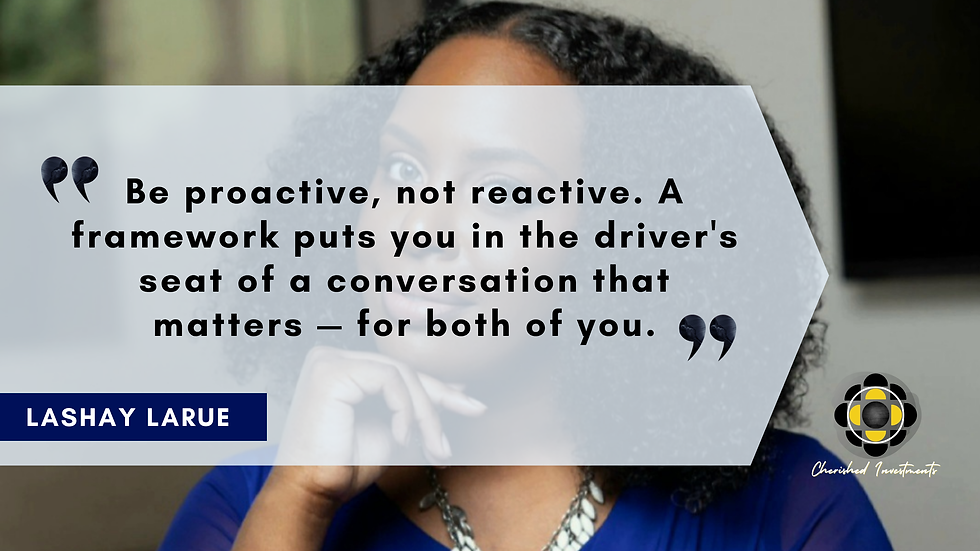
Be proactive, not reactive. A framework puts you in the driver's seat of a conversation that matters — for both of you.
The goal is not a call that follows a script. The goal is a call where both people walk away clear on whether this is the right next step, and where the answer was reached through a real conversation rather than a presentation followed by silence.
Your Next Step
Reading a framework is not the same as having one. The most effective way to build a discovery call process that works for your specific offer and your specific audience is to test it in real time, get honest feedback, and refine it with someone who can see exactly where the conversation is stalling.
If your discovery calls feel inconsistent right now, that is not a talent problem. It is a structure problem. And structure is fixable.
Ready to Stop Winging It?
Reading a framework and having one are two different things. Book a BOSS Call and we will walk through your current discovery call process, identify exactly where prospects are going quiet, and build a call structure you can use on your very next conversation.


Comments